
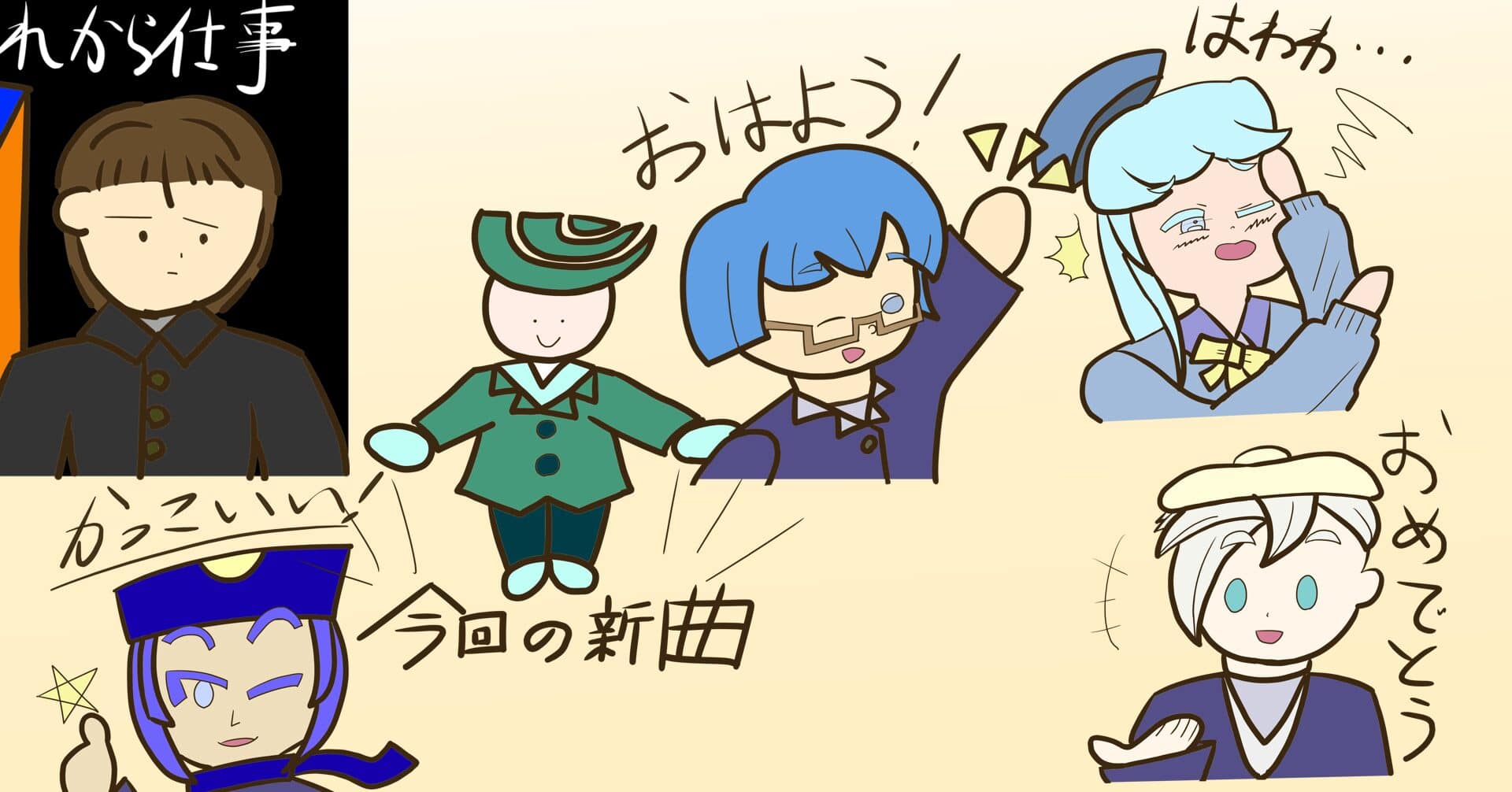
Here is an explanation of the characters featured in S.KT. content (such as S.KT. Music and S/KT.).I believe this is the kind of thing you should tackle with momentum and confidence.
S.KT. Music
Concept Character
S.KT.

<A creator who continues to make music as an extension of their hobby>

Japanese First Person Pronouns: jibun (“自分”)
The entity closest to the person behind the scenes.
Please refer here for information regarding the person behind the scenes.
Please refer here for information regarding the person behind the scenes.
The premise is that this character oversees the direction of all characters—starting with TTKT—and coordinates their activities.
Origin of the name: Derived from the person themselves. “S” and “KT” (from TTKT).
TTKT

<A creator who continues to take on musical challenges as an eternal beginner>
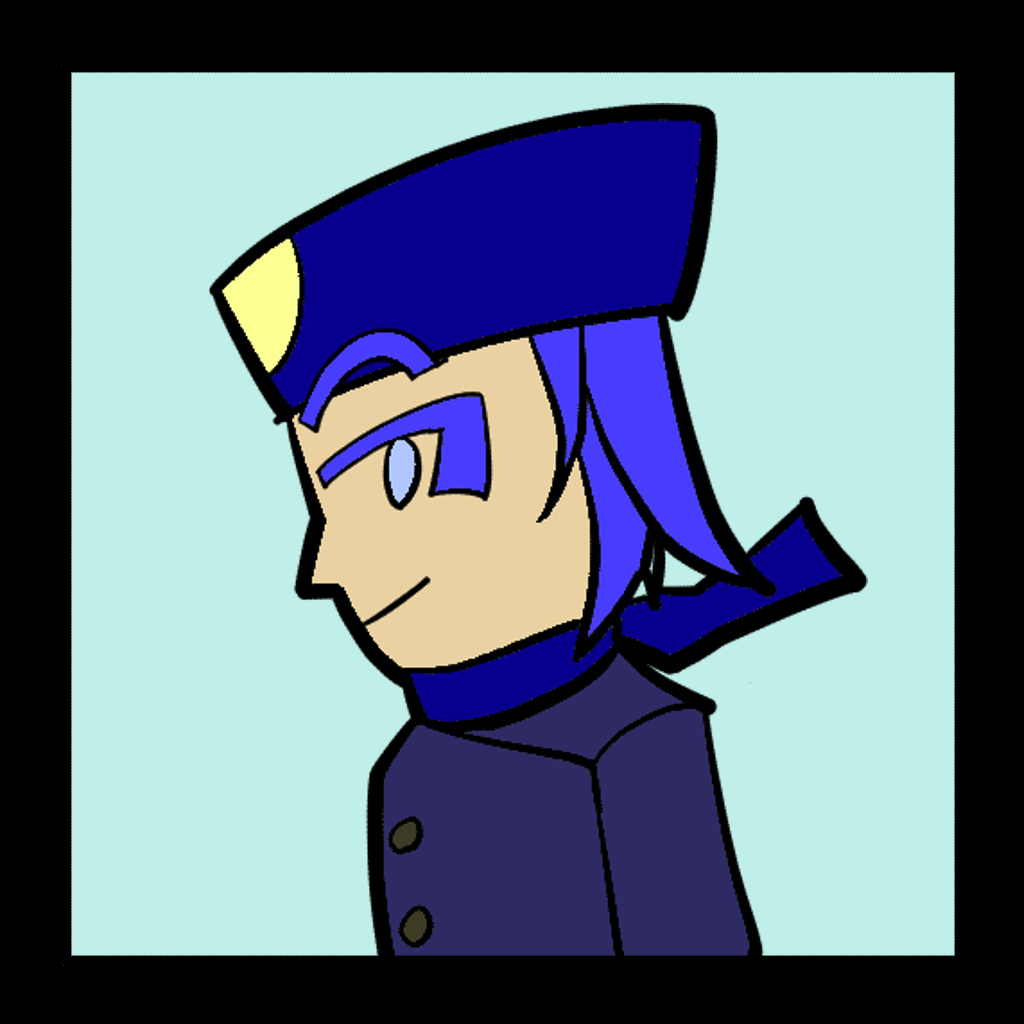
TTKT is the alias S.KT. uses when taking on new challenges. It is primarily used for the irregular “10-minute composition” series, where the persona adopts the stance of a “beginner.”
It also serves as an alias for activities not officially classified as music. For some reason, it is also used for illustration work—an area where the creator is likewise a beginner.
Origin of the name: A play on the spelling of “PPAP (Pen-Pineapple-Apple-Pen),” a song by Pikotaro that was popular at the time. The letters T and K were chosen based on the creator’s own name.
DonKei

<A singer who crafts enigmatic lyrics>

“DonKei” is the alias primarily used for vocal tracks (produced by the artist themselves).
In recent years, there has been an increase in appearances solely as a vocalist or as a lyricist.
…At least, that is the official persona—even though, within S/KT., the artist performs under the name “S.KT.”
Origin of the name: A combination of “Don” (from the game Taiko no Tatsujin, which the artist used to play) and “Kei” (K).
Sekkita

<I'm dying to sing!>

An UTAU voicebank created from the voice provider (S.KT.) out of a sheer desire to make the voice heard.
TTKT handled the direction (or so the backstory goes).
He made his debut in “Insiemusica” and later took on lead vocals for “Theme of Sekkita.”
Having seemingly wrapped up its initial mission, his future appearances are expected to be sporadic.
He is available for download, so please check it out if you are interested.
Origin of the name: Derived by assigning vowels to “S.KT.”
Phase 1 “Union”
Mafuyu
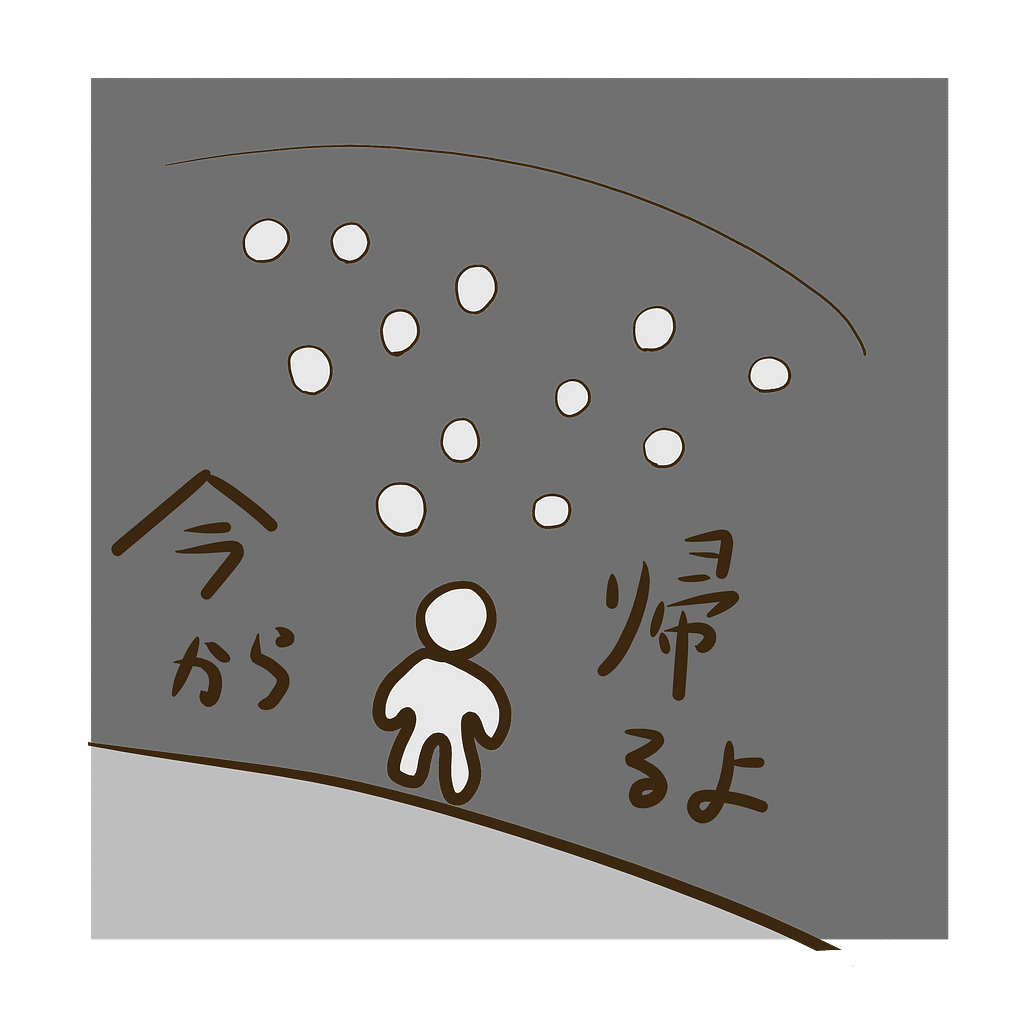
Japanese First Person Pronouns: ?
Someone who trudged through the snow under a cold sky, eventually transforming into a stark white pictogram figure.
They continue to search for their own heart—something that goes unnoticed by others, and even by themselves.
Song: Mafuyu no Yuki
Boku Part-Time Job
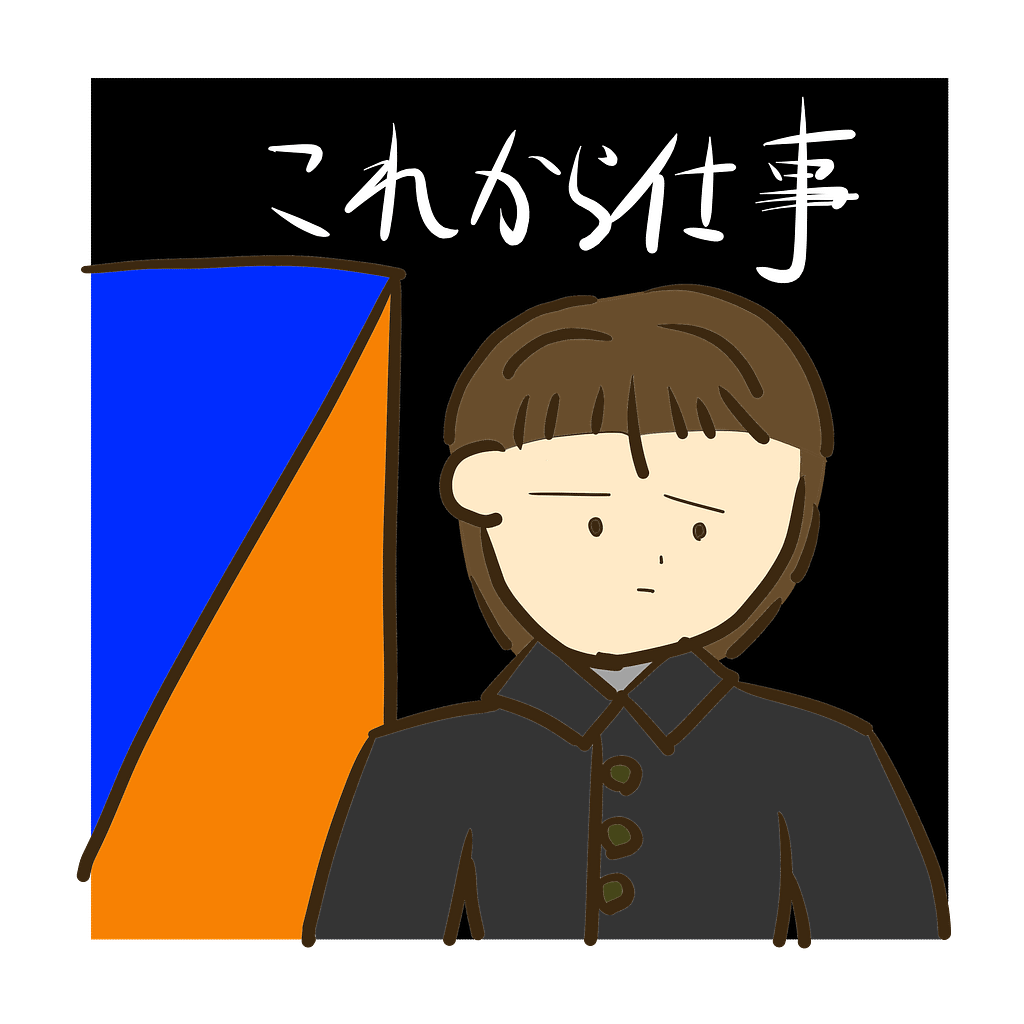
Japanese First Person Pronouns: Boku (“僕”)
A part-timer working at a convenience store.
After a series of missed connections with various people, he arrives at a single conclusion.
Songs: Convenience Mental, moon stalker
Pocchi
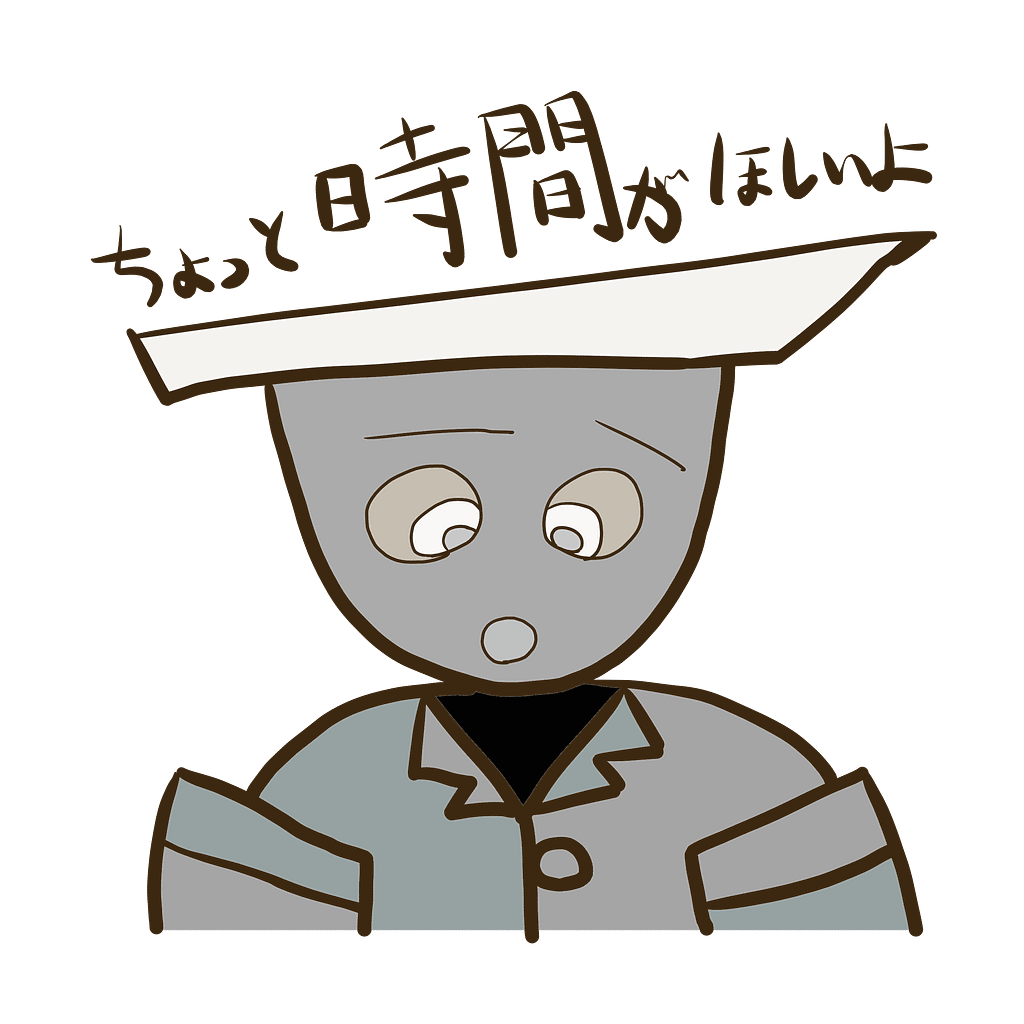
Japanese First Person Pronouns: Boku (“僕”)
A fifteen-year-old youth who lost his head following a harrowing ordeal—an experience so traumatic that he wept ceaselessly for three days and three nights.
With a void in his heart, he simply yearns for someone to be by his side.
Song: Even a little
Phase 2 “Audience”
Taia Nemu
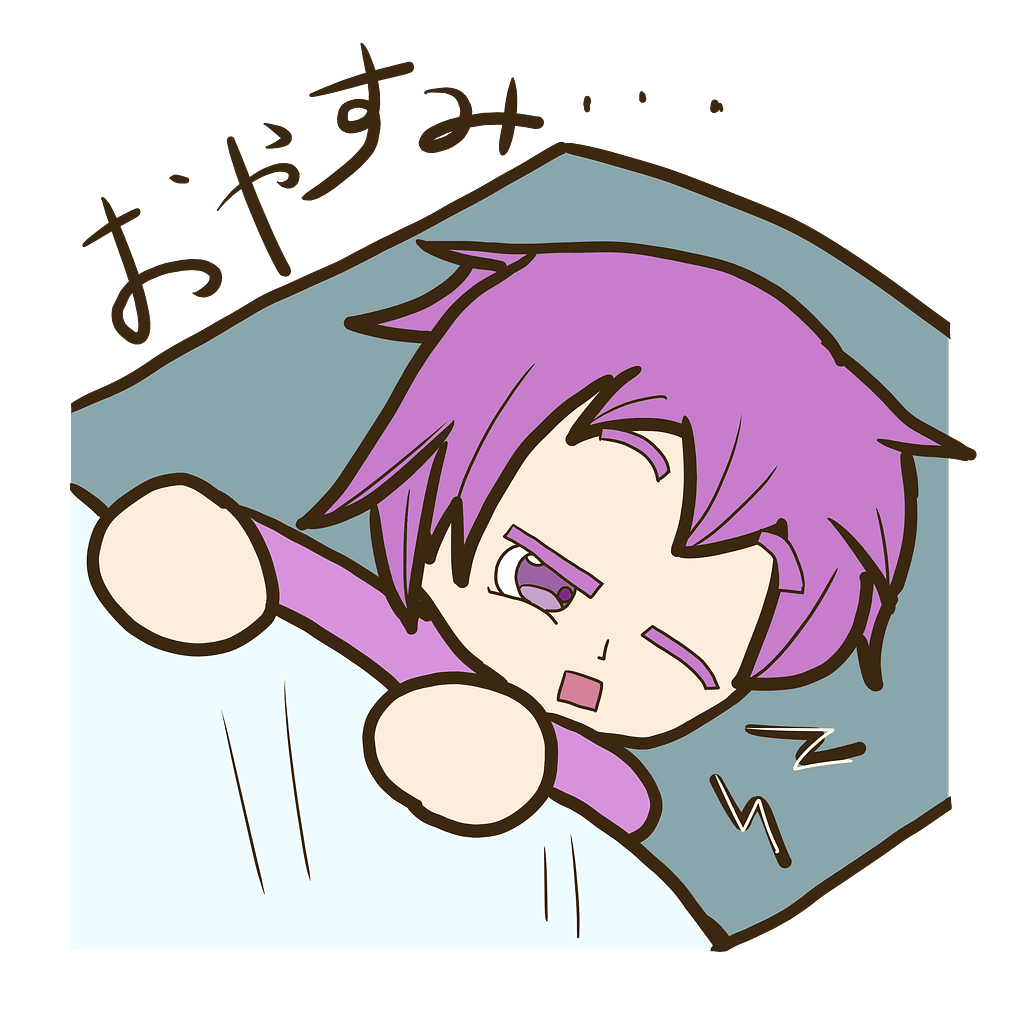
Japanese First Person Pronouns: Boku (“ボク”)
Always looking sleepy as if just waking up, yet a sleep specialist.
Despite being a young teen (12 years old), he knows how to help others sleep comfortably.
Ironically, he himself is perpetually sleep-deprived.
Song: Hello, tired.
Avatarn
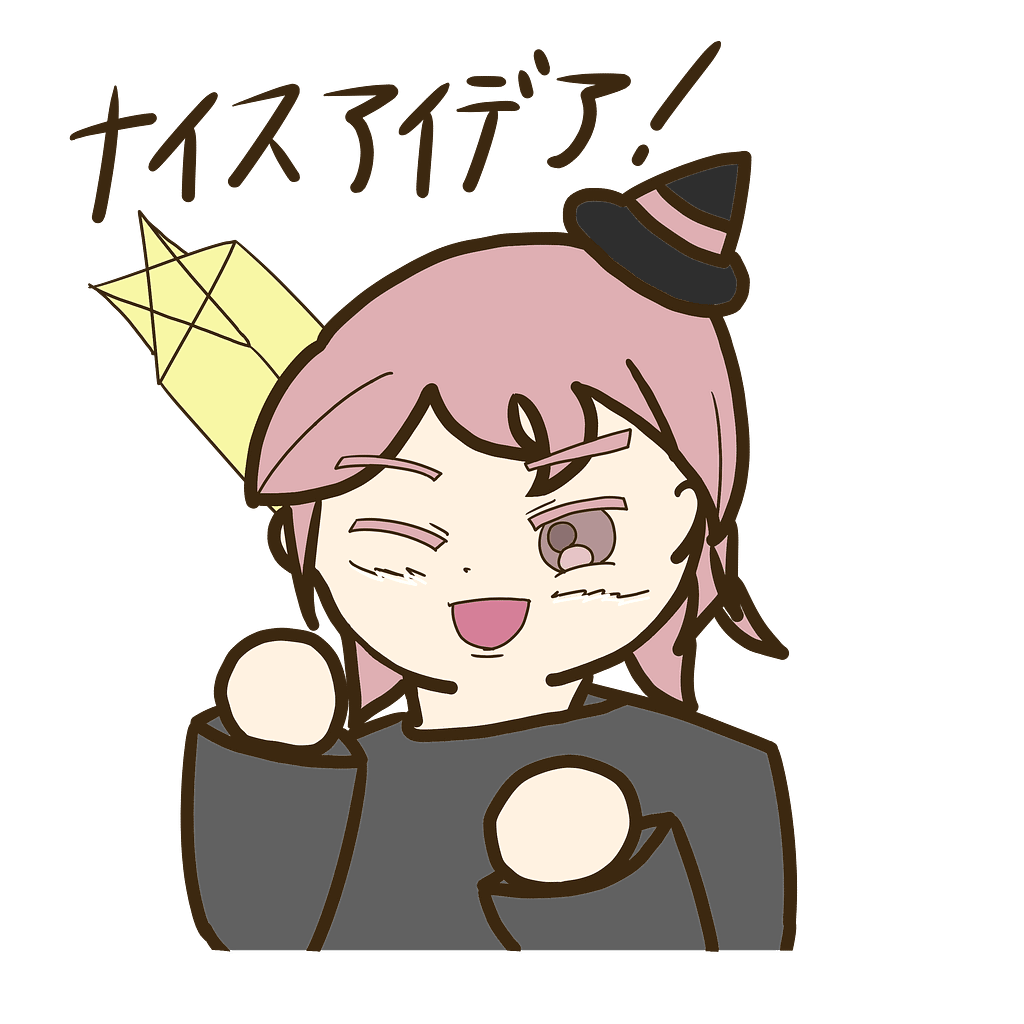
Japanese First Person Pronouns: Boku (“ぼく”)
Someone who became so attached to a nine-year-old avatar acquired in a virtual space that they ultimately transferred his own consciousness into it.
Although they appear to be a child, he is actually around twenty-seven years old.
They dance at the ball with a mix of elegance and clumsiness.
Aile
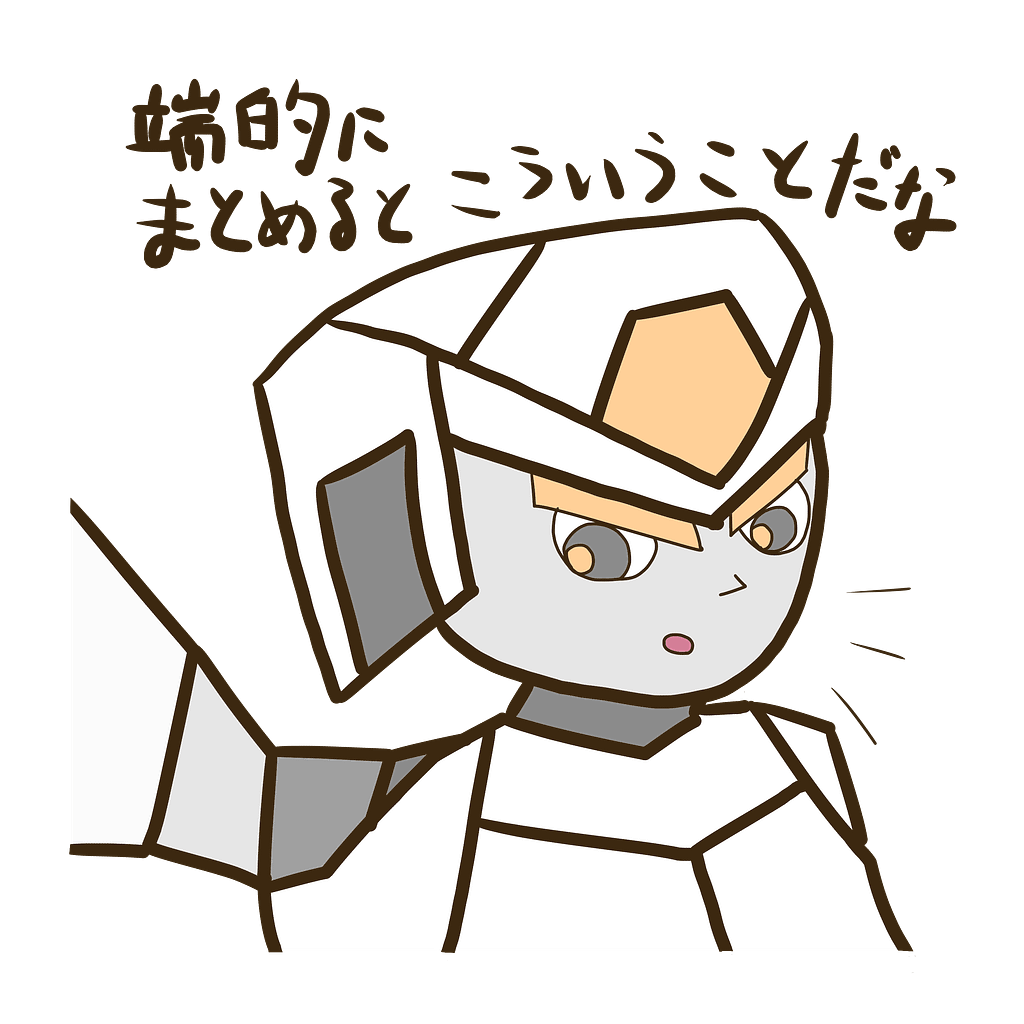
Japanese First Person Pronouns: Watashi (“私”)
A young android—though one who has already lived for decades—once hailed as a hero who saved the world.
Having survived countless battles without sustaining a single scratch—not even on the wings upon their back—they find their body gradually falling into disrepair following a certain encounter.
Song: Amazing Colors Aile
Noto Yorito
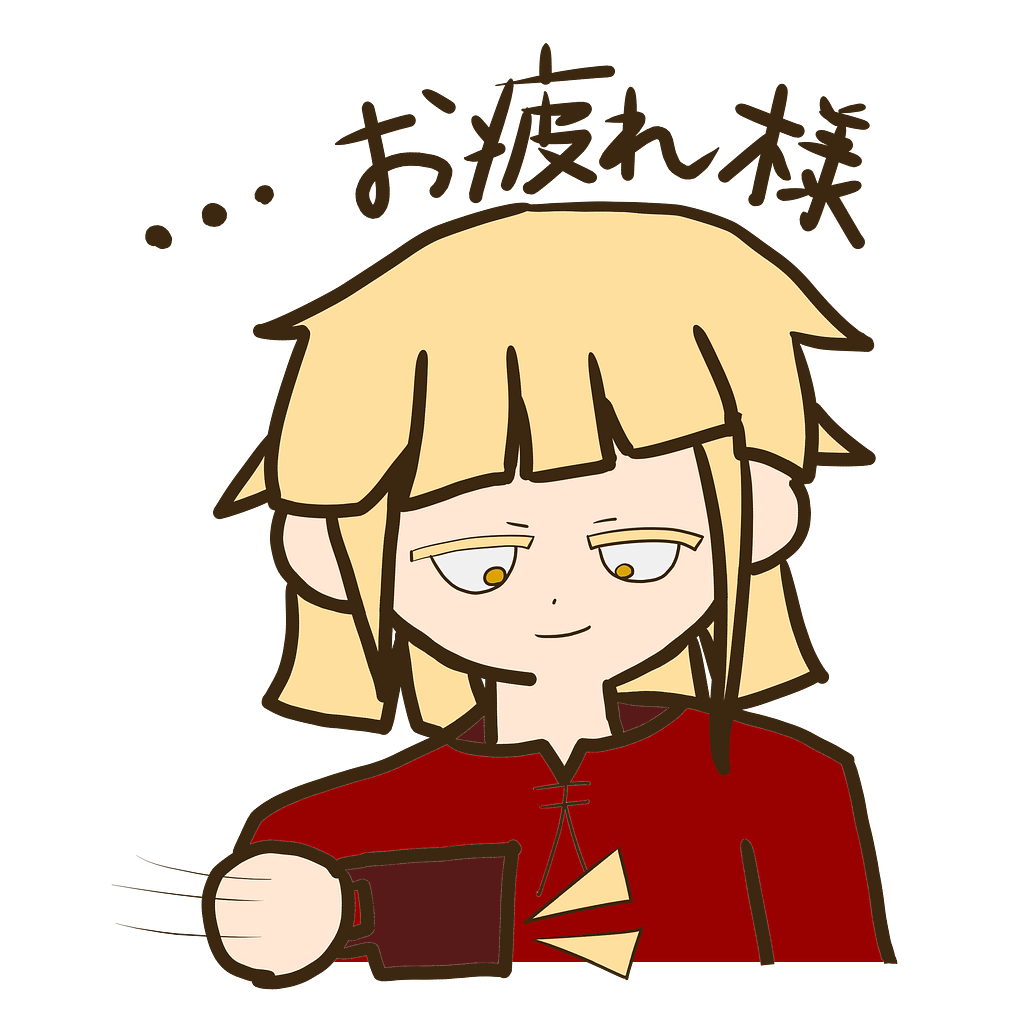
Japanese First Person Pronouns: Boku (“僕”)
An 11-year-old boy who has come to know the harsh reality of life.
Having shut himself off emotionally after losing his family, he experiences a life-changing encounter that makes him realize the importance of human connection.
Song: KNOT
Riddles
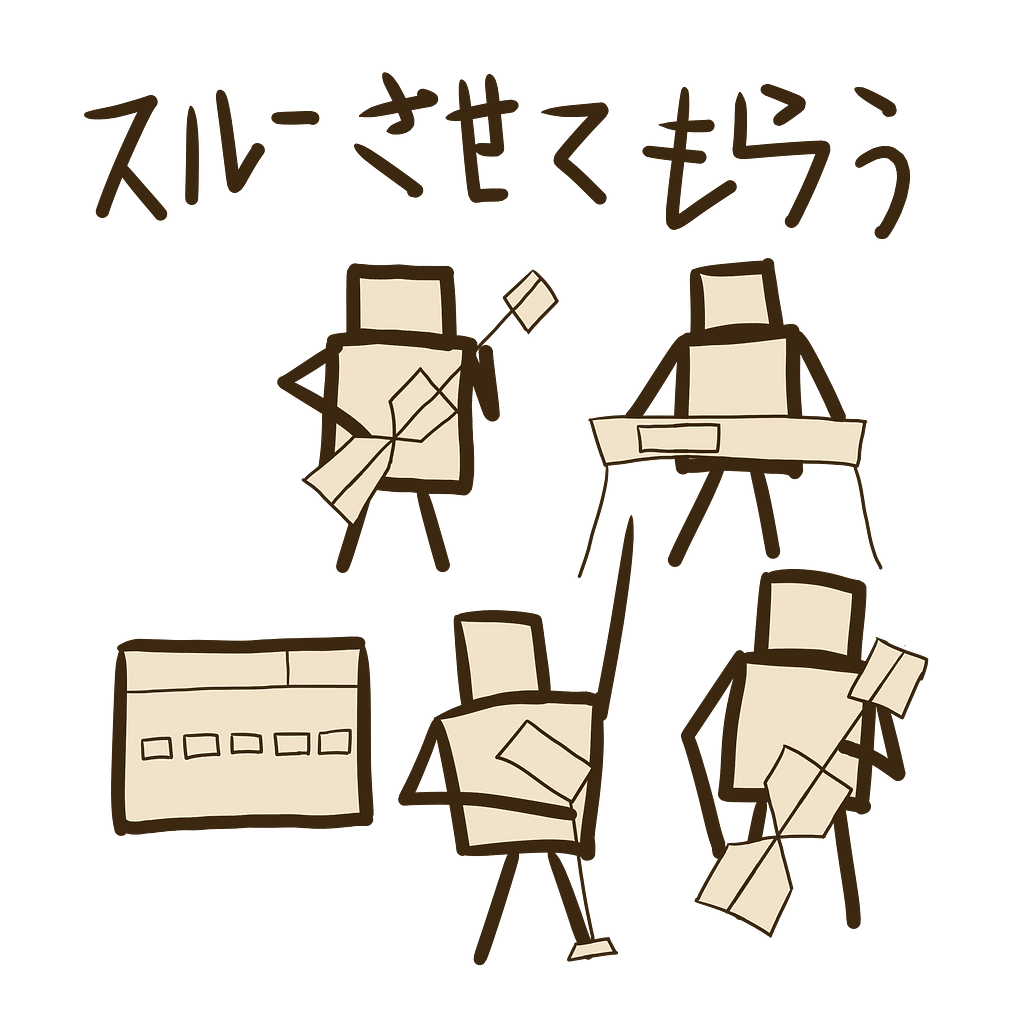
Japanese First Person Pronouns: ?
A legendary Japanese techno-pop band—consisting of four members plus one amplifier—that took the scene by storm back in the day.
They garnered attention for songs that humorously present various complex aspects of Japanese society.
Members (from left)
・Un-Nun: Amplifier
・In-Nen: Guitar
・Kon-Nit-Ta: Vocal
・San-Mi: Keyboard
・Rin-Ne: Bass
Song: Linking Riddles
Hiiro Tsukasa
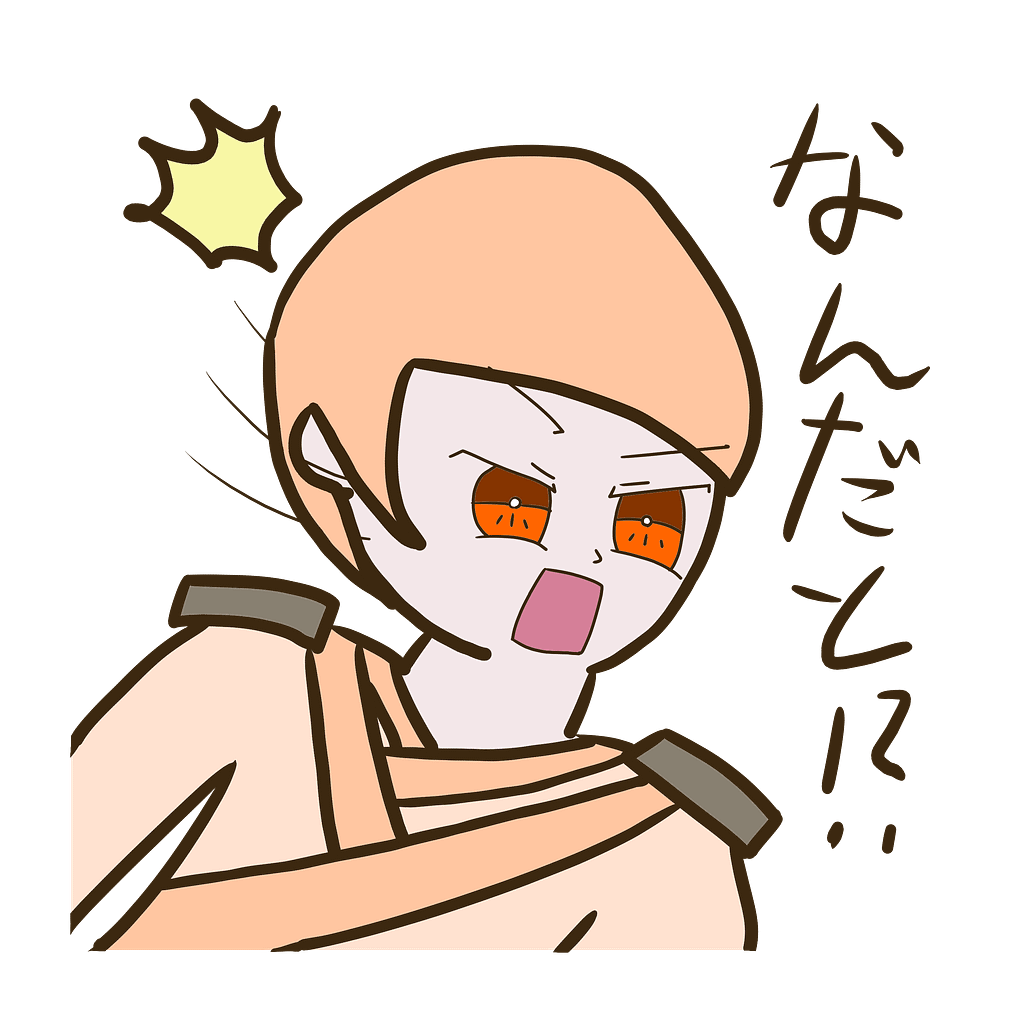
Japanese First Person Pronouns: Ore (“オレ”)
A 16-year-old who battles foes capable of shaking the very foundations of every world, clad in armor made of light.
Possessing a personality that holds nothing back, He constantly wields power comparable to their “ultimate form.”
Billy Kokoro
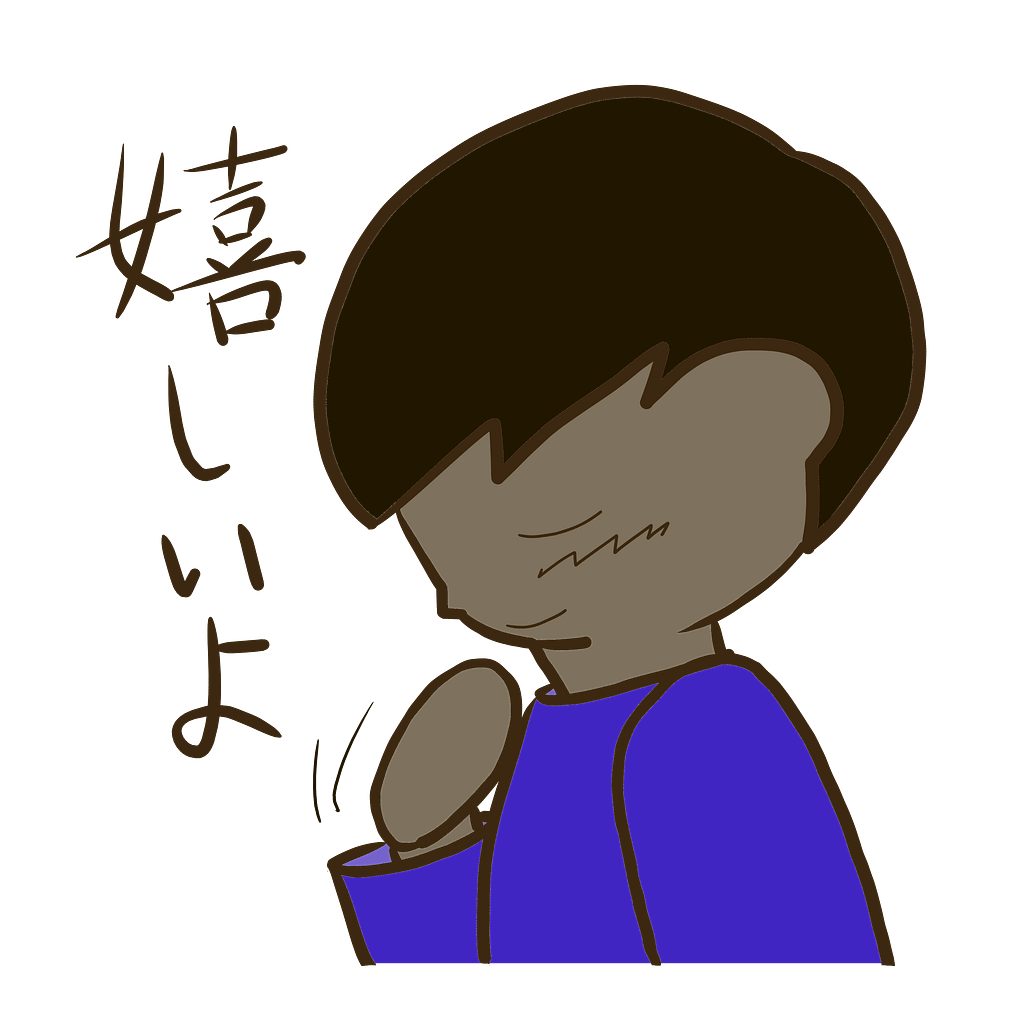
Japanese First Person Pronouns: Boku (“ボク”)
A 13-year-old boy whose expression was often clouded by a heart as cold as icy water and a pessimistic outlook.
By learning to accept himself, he overcame his insecurities and came to wear a gentle smile.
Stella Amata
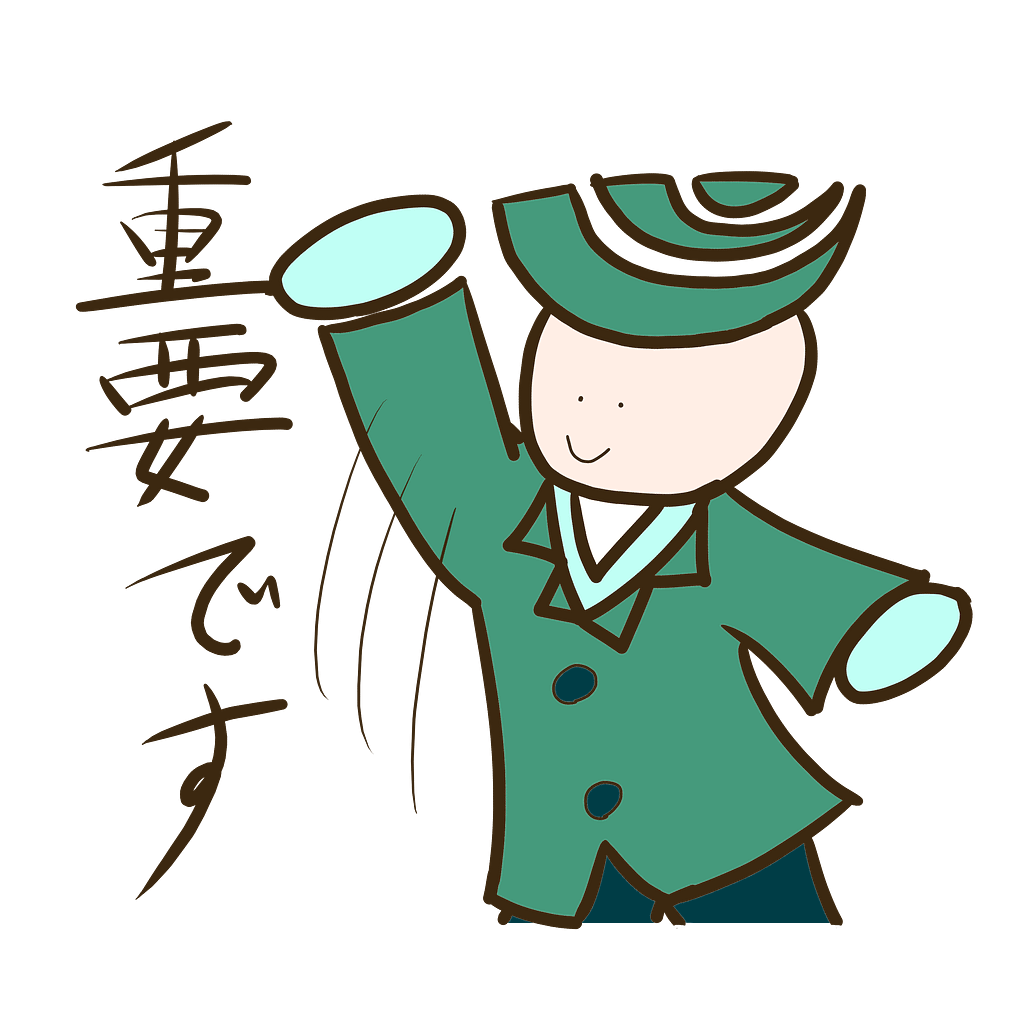
Japanese First Person Pronouns: ?
An entertainer who is well-versed in a wide range of music and knows how to bring out a song’s full potential to energize the audience.
They have a reputation for never overlooking key details and for their ability to leverage a vast repertoire to excel in diverse roles.
Song: Abundant Stella
Phase 3 “Schola”
Chise Chaita
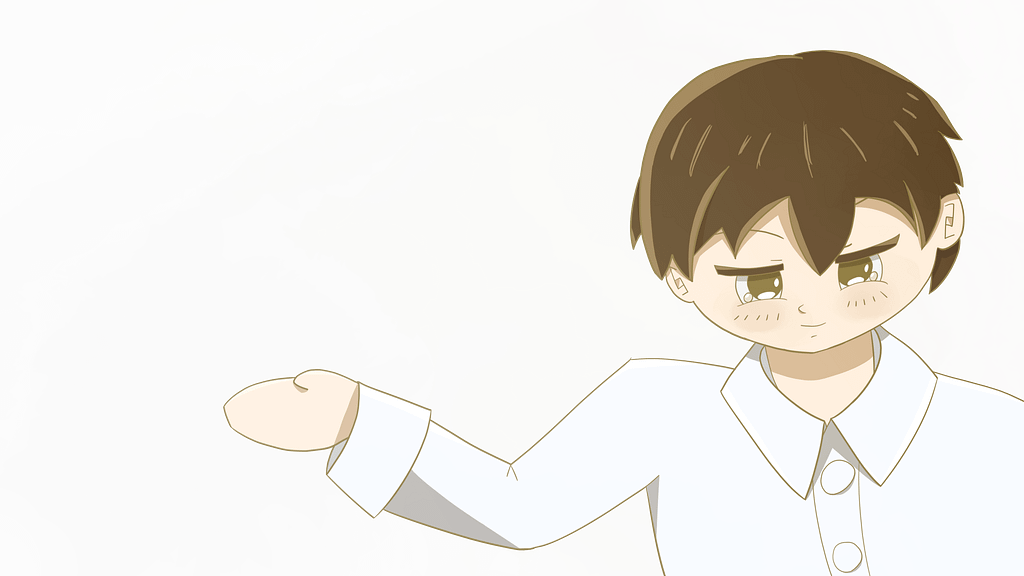
Japanese First Person Pronouns: Ore (“おれ”)
A teenager of unknown age and educational background. A friend of Hananori. A friend… or is it something else?
He owns a red smartphone and often research questions regarding his own identity. He has a habit of drinking chai lattes.
Songs: Through Learning about the Clear Skies, Broadly Daylight
Matsushima Hananori

Japanese First Person Pronouns:
・Usually: Boku (“僕”)
・Possessed: Watashi (“わたし”)
A teenager of unknown age and educational background. A friend of Chaita. A friend… right?
He loves watching cute things interacting with one another. His hobby is self-exploration, but occasionally, while reading books for this purpose, he becomes possessed by some entity.
Songs: Through Learning about the Clear Skies, Immerse Yourself in Subculture
Hamada Nayuta
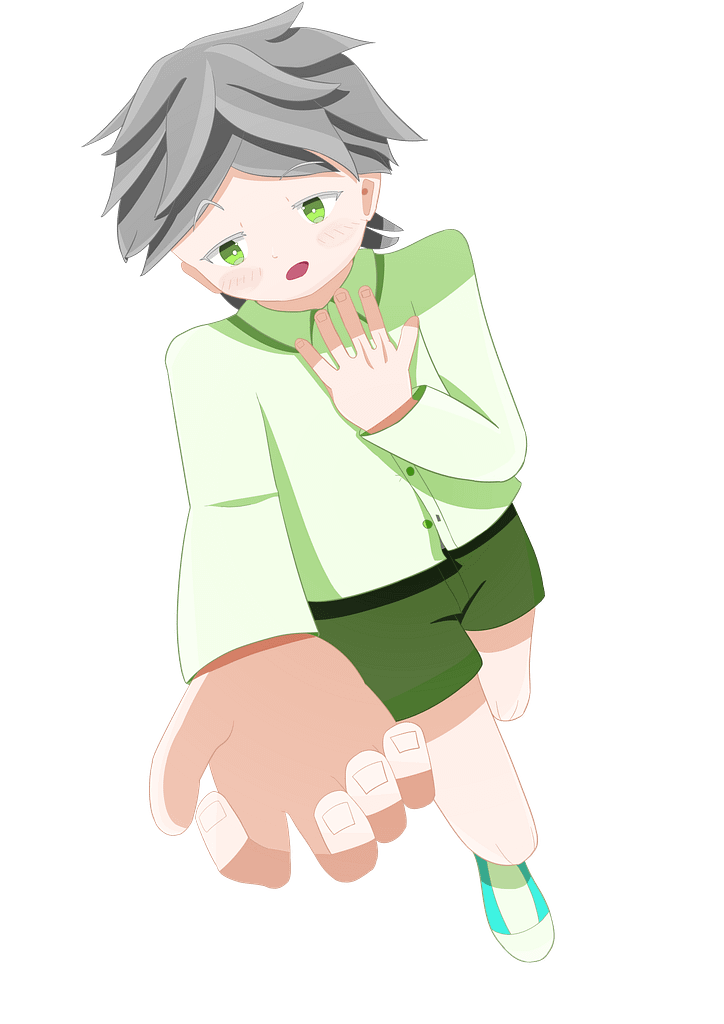
Japanese First Person Pronouns: Boku (“僕”)
A twelve-year-old boy grew up hearing others talk about liking the opposite sex, and until then, he had naturally assumed that was the norm for himself as well.
One day, however, he realized he might be falling for a male friend; yet, fearing a misunderstanding, he found himself unable to confide in anyone or reveal his feelings to the friend in question.
And so, he began to explore the true nature of his emotions entirely on his own—all while being swayed by a deep, affectionate longing that still lacked a name.
Song: Still, I Dunno
Instrumental
Illumine
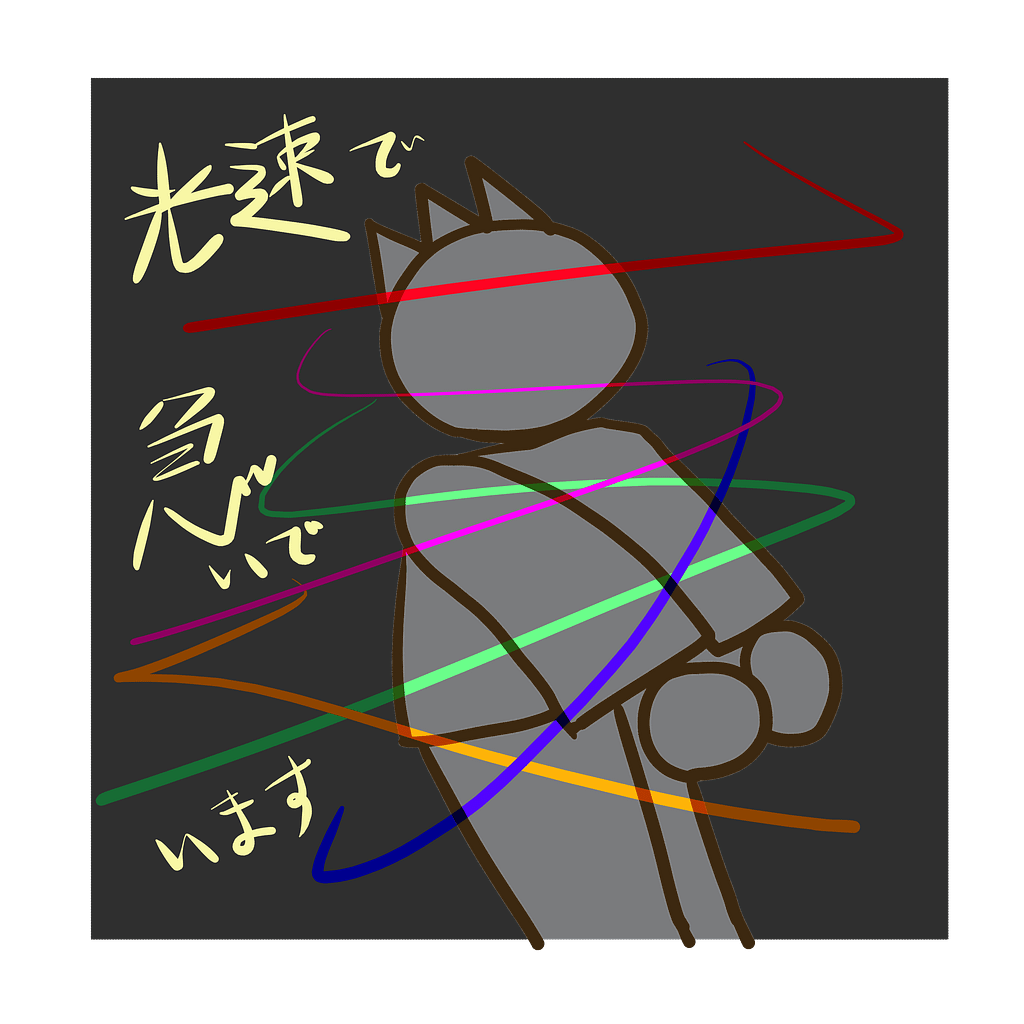
Japanese First Person Pronouns: ?
A legendary figure said to race through the glittering urban expressway at the speed of light.
It is said that music plays in the wake of its passing.
Song: illuminatecKer
Higher
Japanese First Person Pronouns: ?
A wanderer who roams the streets of the Chinese quarter. Dangerous rumors circulate that, armed with a staff, this figure goes around crushing the mafias that infest the area.
Song: Higher Ground
S/KT.
Concept Character
Himari
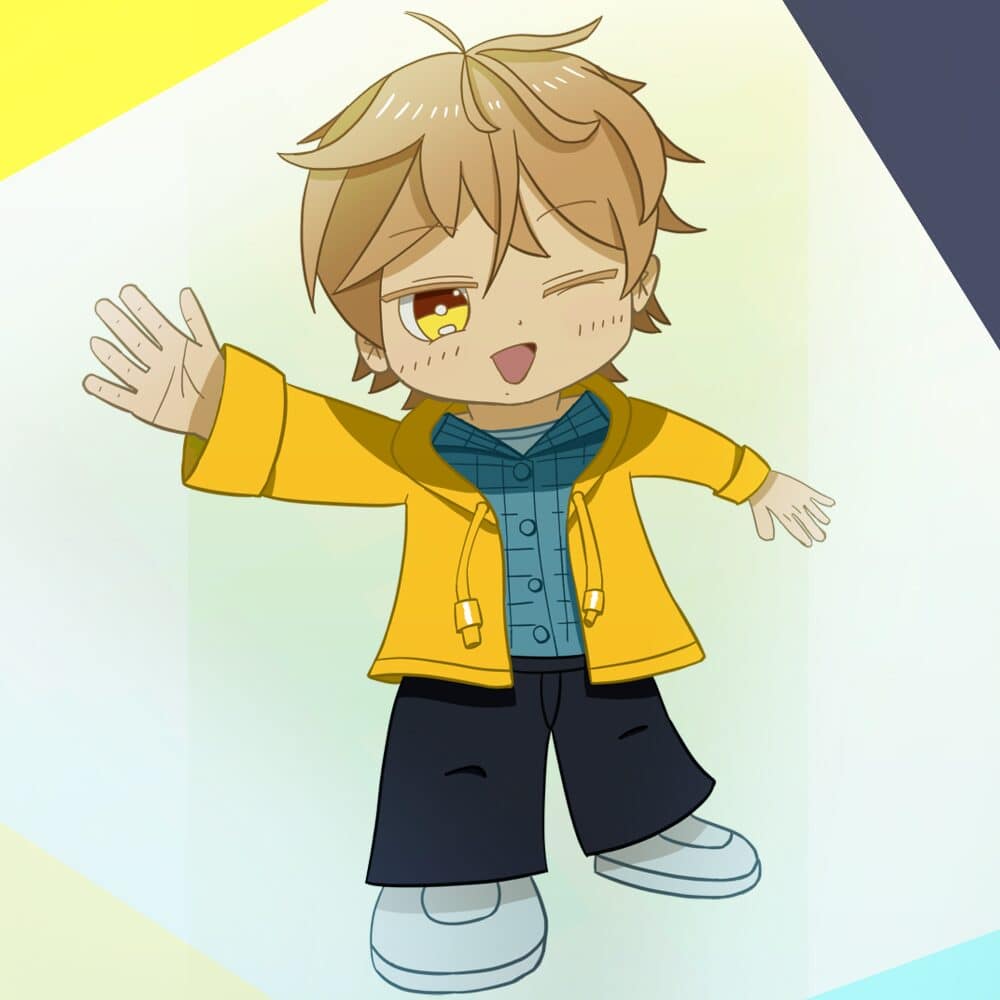
Japanese First Person Pronouns: Ore (“俺”)
He used to be introverted and lacked confidence, but the support of family and friends inspired me to want to change himself. His current cheerful demeanor is a way of challenging his past self; while He’s not forcing it, He does feel tired at times. He tends to speak with a gentle tone. He’s currently looking for a surname.
The character “Hi” (陽) represents brightness and warmth, while “Aoi (-mari)” (葵) symbolizes the sunflower, evoking the image of someone who lifts others’ spirits.
Souma
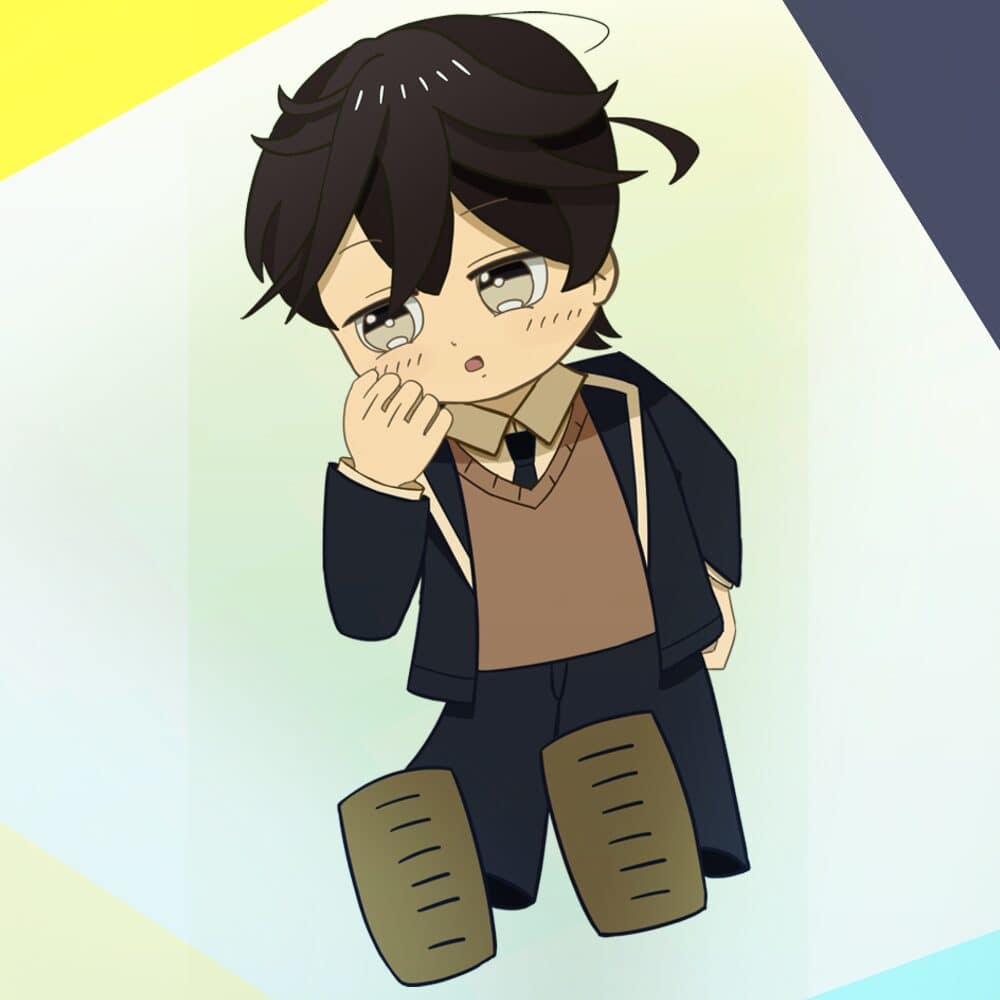
Japanese First Person Pronouns: Boku (“僕”)
Having been expected to be a “model student” since childhood, he has developed a habit of measuring his self-worth based on academic performance and achievements. Deep down, he harbors an inferiority complex, feeling that he is “insignificant,” yet he also possesses a sincere nature and a capacity for wholehearted effort. He also struggles with smiling. He’s currently looking for a surname.
“Sou” (蒼) symbolizes calmness and composure. “ma” (真) represents sincerity and purity.
Character associated with the song
???
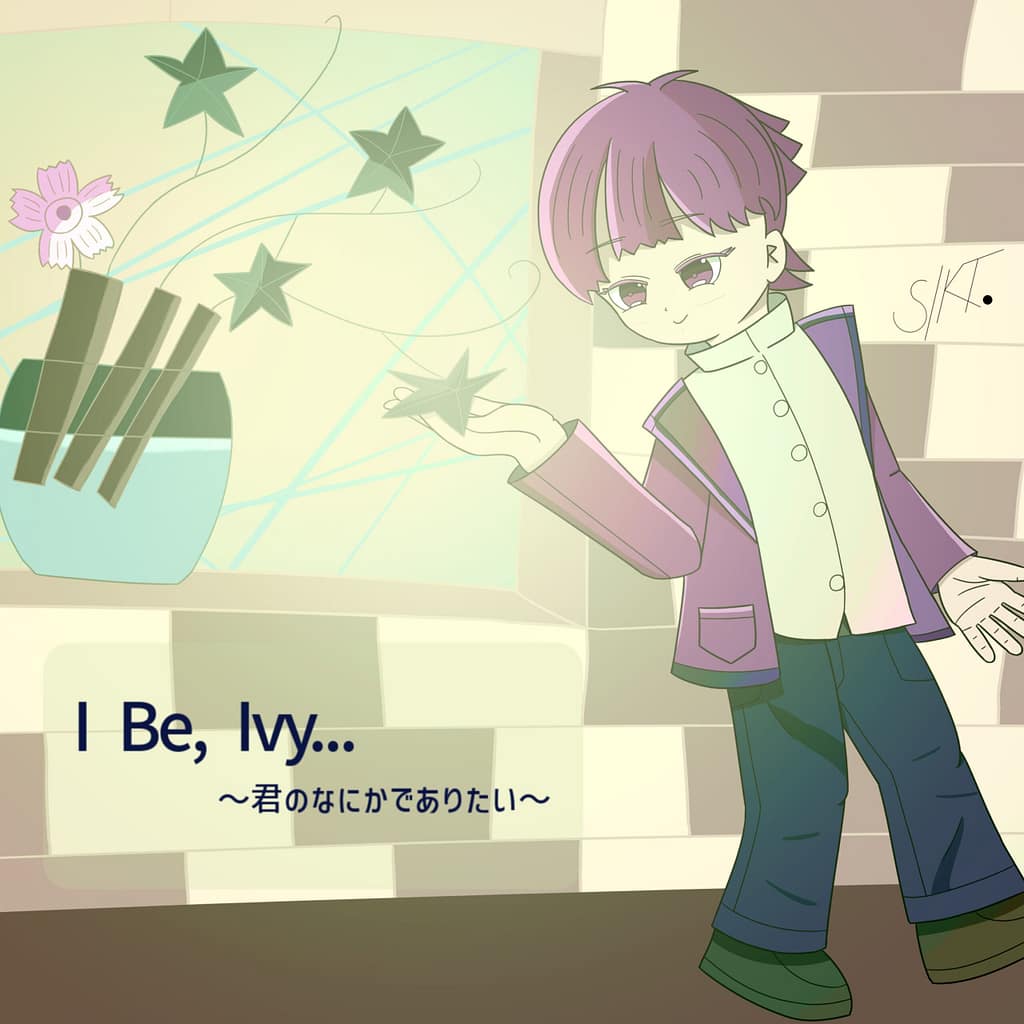
???
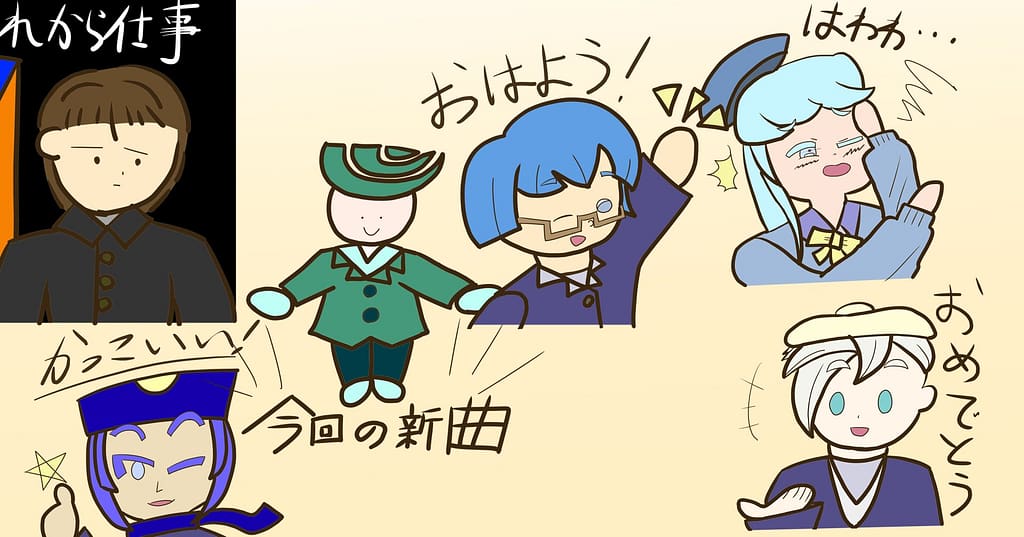
LINE Stickers: “S.KT. Characters Stickers Vol. 1”

I look forward to working with you!